That first controlled contact with the ground, a clean jab, or the feeling of staying calm even after a grueling round: That’s exactly where your MMA journey begins. Mixed martial arts isn’t a sport you can only get into once you’re in perfect shape or have combat experience. It does, however, require a willingness to learn regularly, respect boundaries, and tackle unfamiliar situations step by step.
MMA combines different fighting ranges. You’ll learn to strike and kick effectively, understand throws and takedowns, control positions on the ground, and escape from unfavorable situations. This diversity makes the sport challenging. It is also its strength: Training builds strength, endurance, and coordination, as well as concentration, self-confidence, and the ability to handle pressure effectively.
What MMA Really Means for Beginners
Many people initially associate MMA with the cage and intense competition. Competition can be a goal, but it doesn’t have to be. For most beginners, MMA starts with the basics: good posture, proper movement, spatial awareness, takedown defense, partner drills, and controlled technique training.
Good beginner training creates a framework that challenges you without overwhelming you. You don’t learn to strike as hard as possible as early as possible. You learn to work with precision, to pick up on your training partner’s cues, and to remain respectful even under pressure. This isn’t a minor detail—it’s the foundation for effective, long-term training.
MMA is also not a substitute for every individual martial art. Boxing refines your hand and footwork; kickboxing adds kicks and knees; grappling develops control in the clinch and on the ground. In MMA, these elements come together. Those who understand the transitions between them build a versatile system—for sports, competition, and a realistic understanding of self-defense.
Getting Started with MMA: What to Expect at Your First Workout
You don’t have to prove anything at the trial session. Just come in comfortable workout clothes, bring some water, and be ready to listen carefully. Special equipment such as gloves, mouthguards, or shin guards is often provided at the beginning or can be used by arrangement. Don’t rush out and buy everything all at once. Only after a few sessions will you know which type of workout you’ll be attending regularly and what really suits you.
A typical session begins with a functional warm-up. Mobility, coordination, and simple strength exercises prepare the joints and circulatory system for the physical demands of the workout. This is followed by technical drills, such as the basic striking stance, defending against a takedown, or getting up from the ground.
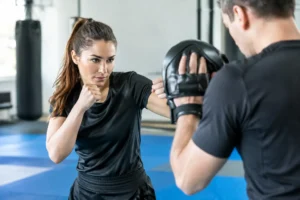
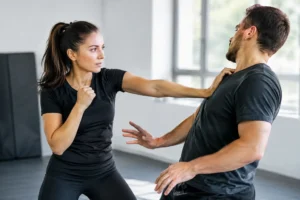
In partner training, the movements become tangible. The focus is initially on timing, distance, and control—not on dominance. A good training partner helps you understand the technique. They don’t try to turn every exercise into a fight. Toward the end of the session, conditioning, movement drills, or a brief review are often added. You’ll notice that MMA challenges your entire body, but your initial progress comes mainly from focus and repetition.
Sparring is not an entrance exam
For many people, sparring is part of the appeal of MMA. It involves the controlled application of techniques against an actively moving partner. However, it has no place on your first day of training if you haven’t yet mastered the basics, rules, and safety precautions.
We build up to serious sparring. First, you practice specific situations with clear objectives. Later, we add light, technically controlled rounds. Intensity isn’t a measure of courage. Those who land clean strikes, consciously slow down the pace, and tap out in time train more intelligently and protect themselves and others.
The right attitude is more important than prior experience
Maybe you haven’t been physically active for years. Maybe you’re coming from the gym, soccer, boxing, or a traditional martial art. All of these can be helpful, but none are required. Beginners with no prior experience, in particular, benefit from learning the movements correctly from the very beginning.
It’s important to honestly assess your current situation. If you’ve taken a long break, are experiencing pain, have recently been injured, or have health limitations, you should be open about it. Professional trainers will adjust the intensity of your workouts and suggest alternatives. Discipline doesn’t mean ignoring warning signs. Discipline means training regularly and responsibly.
Your mindset matters, too. There will be sessions where a takedown doesn’t work or a combination feels awkward. That’s normal. MMA makes progress visible, but rarely right away. Those who ask questions after a failed exercise, try again, and keep training develop resilience that extends far beyond the mat.
Here’s How to Build a Solid Foundation
To get off to a good start in MMA, one to two sessions per week are enough. That might not sound like much at first, but it gives you time to recover and process new movements. After a few weeks, you can add more sessions depending on your goals, fitness level, and schedule. Training more is only better if your body can handle it well and the quality of your training remains high.
Don’t set your goals too high for the first few weeks. Instead of trying to rush into sparring, focus on the basics: maintain your guard, move with control, breathe calmly, and learn to recognize positions on the ground. Small technical improvements add up. Over time, your movements will become faster, your transitions clearer, and your body awareness more confident.
Outside of training, sleep, a balanced diet, and light mobility exercises can help. You don’t need a complicated training plan. A walk, some mobility exercises for your hips and shoulders, and adequate recovery make a noticeable difference. Strength training can be beneficial, especially for stability and injury prevention. However, it should complement your technical training, not replace it.
Gear: Safety First, Then Style
If you train regularly, wraps and proper boxing gloves are usually among the first useful purchases you’ll make. A mouthguard is essential for sparring. For kickboxing or MMA sessions, you’ll also need shin guards and MMA gloves, depending on the workout.
Fit is more important than brand. Gloves shouldn’t be too tight; wraps should stabilize your wrists and ankles; and your mouthguard should fit snugly. Ask someone to show you how to put on and care for your equipment properly. Clean, dry pads and gloves aren’t just more comfortable—they’re also a sign of respect for the training group.
How to Tell If You’re Getting a Good MMA Workout
You can’t tell if a school is good just by loud music or particularly intense workouts. What matters most are clear instruction, a structured curriculum, and an atmosphere where asking questions is encouraged. Instructors should explain corrections in a way that’s easy to understand and ensure that experienced members train with beginners in a responsible manner.
During the trial session, pay attention to how people interact with one another. Is the purpose of the exercise explained before partner training begins? Are weight, experience, and current physical condition taken into account? Are there clear rules regarding contact, checking in, and breaks? Safety doesn’t come from fear, but from good organization and mutual responsibility.
In a strong training community, you’ll be challenged without being left to fend for yourself. At Berlin Siu Lam Wing Chun Pai & SLWCP Fight Academy, traditional martial arts values meet modern striking, ring, and ground training. Respect, dedicated practice, and professional guidance go hand in hand. The focus is on the person, not the ego.
Who Can Benefit Most from MMA
MMA is a good fit for people who are looking for more than just fitness. You train your body intensively, but at the same time, you learn to think clearly and make decisions under pressure. This can be valuable for your career, everyday life, and personal development. Anyone who wants to learn self-defense will benefit from a realistic approach to distance, contact, and control, but should keep in mind that self-defense always begins with awareness, de-escalation, and the ability to avoid danger.
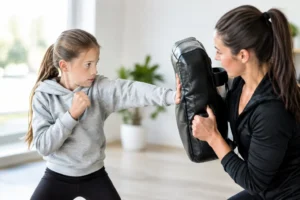
Young people, too, can benefit greatly from age-appropriate training. Structure, clear rules, and athletic challenges foster self-confidence and social responsibility. Different training methods apply to children and adolescents than to adults. Technique, coordination, and safe interaction with one another take precedence over physical intensity or competitive pressure.
You don’t have to decide right now whether you want to compete later on. Your path can evolve over time. Some people stick with technically focused training, others delve deeper into grappling or kickboxing, and still others set a competitive goal for themselves. A good start keeps these options open.
Don’t expect to be done on the first day. Come prepared to learn attentively, train fairly, and get back on the mat next time. Your effort counts—and every move you learn properly gives you more confidence, strength, and trust in your own progress.